Wellness products are everywhere, from skincare creams and herbal teas to protein powders, supplements, essential oils, and fitness accessories. Their packaging often features attractive designs and phrases such as “natural,” “clean,” “detoxifying,” or “clinically tested.”
But how can you tell whether a product is suitable for you, and which information deserves your attention?
Learning how to read wellness product labels can help you understand what you are buying, identify potential risks, compare products more effectively, and avoid relying on marketing claims alone.
In this guide, we will explore the most important parts of a wellness product label, explain common marketing terms, and share a practical checklist you can use before making a purchase.
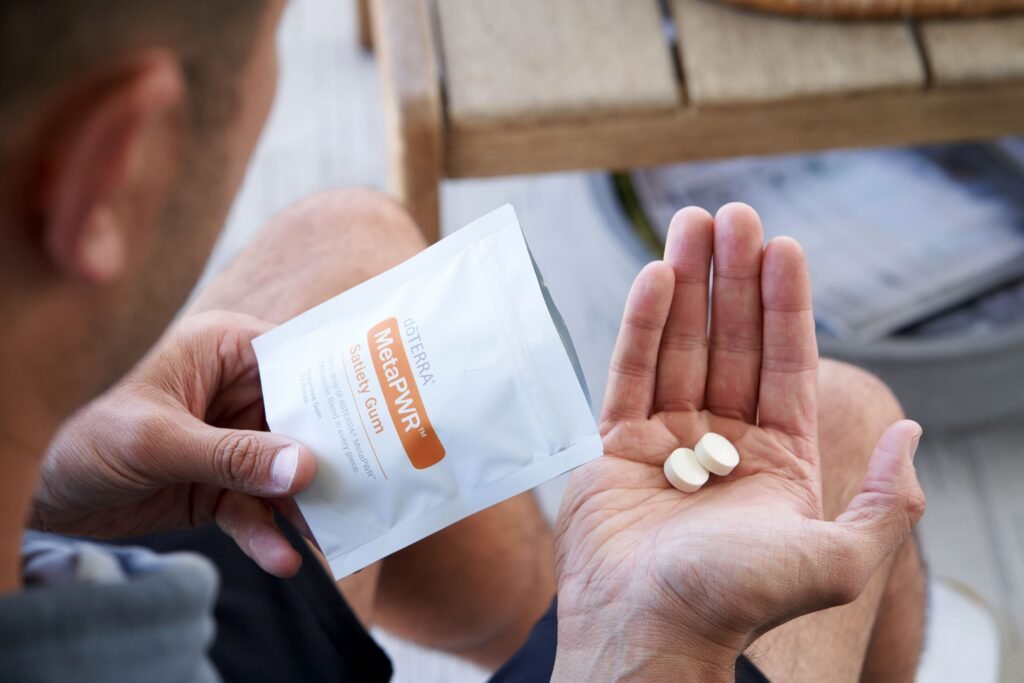
Why Reading Wellness Product Labels Matters
Product packaging is designed to communicate information and encourage purchases. While labels can provide useful details, the front of a package may emphasize attractive benefits rather than the information most important to your decision.
The ingredient list, directions for use, warnings, manufacturer details, and applicable regulatory information can tell you much more.
Reading these details is particularly important when buying products that you swallow, apply to your skin, inhale, or use around children.
A few minutes spent checking a label can help you ask better questions instead of making a decision based only on advertising.
1. Start With the Ingredient List
The ingredient list is one of the most useful places to begin.
Look for the ingredients that make up the product and check whether anything conflicts with your known allergies, sensitivities, preferences, or other requirements.
For example, a skincare product may contain fragrances, preservatives, botanical extracts, or active ingredients. A dietary supplement may contain vitamins, minerals, herbs, sweeteners, and other additives.
Keep these points in mind:
- Check the complete ingredient list rather than relying only on highlighted ingredients.
- Look for ingredients you know you need to avoid.
- Check for different names used for the same ingredient when relevant.
- Do not assume that a plant-based ingredient is automatically suitable for everyone.
- Ask a qualified professional if you are uncertain about an ingredient’s suitability.
Ingredient lists may use technical or scientific names. If you do not recognize an ingredient, look for reliable information from an appropriate health or regulatory source rather than guessing from its name.
Remember: An ingredient list helps you understand what is in a product, but it does not independently prove that the product is effective or safe for every person.
2. Understand the Difference Between Marketing Claims and Evidence
Words on packaging can sound impressive without providing enough information to evaluate a product.
Here are some common examples.
“Natural”
This term generally suggests that a product or ingredient comes from natural sources, but its exact meaning can vary by product and jurisdiction.
Natural ingredients can still cause allergies, irritation, or other unwanted effects. The word alone does not establish product quality or safety.
“Clean”
“Clean” is often used as a marketing term in the beauty and wellness industries. It may not have a consistent, universally accepted definition.
Check what the company actually means by the claim. A clear ingredient list and relevant product information are more useful than a vague label.
“Detox”
Be cautious when a product promises to remove unspecified toxins, cleanse every organ, or reset your body in a short time.
Ask which substance the product claims to affect, what evidence supports the claim, and whether the explanation comes from a credible source.
Do not assume you need a detox tea, cleanse, or supplement to support your general health.
“Clinically Tested”
This phrase does not automatically mean that a product has been proven effective through strong clinical trials.
Ask what was tested, how the testing was conducted, how many people participated, and whether the results support the specific benefit being advertised.
A test of one ingredient is not necessarily evidence that the finished product delivers the same result.
3. Look for Specific and Realistic Benefits
Be cautious of products promising dramatic results with little effort.
Examples of claims that deserve extra scrutiny include:
- “Lose weight without changing your lifestyle.”
- “Remove all toxins overnight.”
- “Cure every digestive problem.”
- “Erase wrinkles permanently.”
- “Boost immunity instantly.”
- “Guaranteed results for everyone.”
These statements may oversimplify complex health issues or promise outcomes that cannot reasonably be guaranteed.
A more credible product description should explain its intended use and avoid presenting uncertain benefits as established facts.
When evaluating a health-related claim, look for reliable evidence relevant to the actual product, not just general information about one of its ingredients.
If a product claims to treat, cure, or prevent a disease, do not rely on its packaging as a substitute for medical advice.
4. Check the Serving Size and Amount Per Serving
This step is especially important for supplements, powders, drinks, and other products that are consumed.
A package may display a large number on the front, but you need to understand what that number represents.
For example, a supplement label might list an amount per serving rather than per tablet. If one serving consists of two tablets, the amount shown may refer to both tablets together.
Check:
- The recommended serving size.
- The amount of each listed ingredient per serving.
- How many servings the package contains.
- The recommended frequency of use.
- Whether other products you take contain the same ingredients.
Do not assume that taking more will provide greater benefits. Excessive amounts of certain vitamins, minerals, or other ingredients can be harmful.
If you take medication, have a medical condition, or are pregnant or breastfeeding, ask a qualified healthcare professional whether a supplement is appropriate for you.
5. Look for Warnings and Directions for Use
Warnings are not merely small print. They can contain important information about safe use.
Depending on the product, check for:
- Age restrictions.
- Allergy warnings.
- Instructions about use on skin or near the eyes.
- Storage requirements.
- Interactions or precautions.
- Advice about when to stop using the product.
- Instructions for keeping the product away from children.
For skincare products, follow the instructions and consider a patch test when appropriate. A patch test cannot guarantee that a product will never cause a reaction, but it may help identify some forms of irritation before wider application.
For supplements, follow the stated directions and do not exceed the recommended amount unless a qualified professional specifically advises you to do so.
If a product lacks clear directions or essential safety information, contact the manufacturer or choose a product with more transparent labeling.
6. Check the Manufacturer and Regulatory Information
A wellness product should provide enough information to help you identify the responsible company and determine whether the product is appropriately labeled for its category and market.
Depending on the product and country, relevant details may include:
- Manufacturer or responsible business name.
- Contact information.
- Batch or lot number.
- Manufacturing or expiry information, where applicable.
- Product registration, licence, or authorization details when required.
- Country of origin, where applicable.
In India, regulatory requirements vary according to whether a product is a food, dietary supplement, cosmetic, medicine, or another category. For example, food-related products may fall under FSSAI requirements, while other product types may be governed by different rules.
Do not assume that one registration or licence automatically proves that every advertised benefit is supported by evidence.
Where relevant, verify regulatory information using the appropriate official source rather than trusting an unfamiliar logo or number printed on a package.
7. Check Expiry Dates, Batch Numbers, and Packaging
Even a product with a clear ingredient list may not be appropriate to use if it is expired, damaged, or improperly stored.
Before purchasing, inspect the packaging.
Look for:
- An expiry or use-by date, when applicable.
- A batch or lot number.
- A sealed package where a seal is expected.
- Signs of leakage, tampering, or damage.
- Storage instructions.
- Any changes in appearance, smell, or texture that suggest deterioration.
Be especially careful with products purchased from unfamiliar sellers or listings that provide little information about the manufacturer.
Do not use products that appear tampered with or have passed an applicable expiry date. Follow the product’s storage instructions and ask the manufacturer if you are uncertain about its condition.
8. Be Careful With “Organic,” “Pure,” and “Chemical-Free”
Some words on wellness packaging create an impression of quality without giving enough information to verify it.
Organic
Organic claims should be assessed according to the relevant certification standards and product category. Look for appropriate certification information where required rather than assuming that a natural-looking package proves organic status.
Pure
“Pure” may refer to different characteristics depending on the product. Ask what the claim means and whether the company provides evidence.
Chemical-Free
The phrase “chemical-free” is scientifically misleading when used literally because all ordinary materials consist of chemicals, including water and plant extracts.
A more useful question is whether the product contains ingredients that are suitable for its intended use and whether relevant safety information is available.
Focus on verifiable details instead of allowing attractive words to replace careful evaluation.
9. Compare Products Using the Same Criteria
When choosing between two similar products, compare them using the same checklist.
For example, when comparing skincare products, consider the ingredient lists, intended use, fragrance, packaging, price, and whether the product suits your skin’s needs.
When comparing supplements, examine the serving size, ingredient amounts, warnings, quality information, and whether you actually need the product.
Price alone does not establish quality. A more expensive product is not necessarily more effective, and a cheaper product is not automatically inferior.
Be cautious when comparing products with different serving sizes or concentrations. A package price may not reflect the cost of an equivalent amount.
Also check whether the seller provides a clear return policy and reliable customer support.
10. Evaluate Online Reviews Carefully
Customer reviews can help you understand user experiences, but they should not be treated as scientific proof.
A review may describe how a product felt to one person, but it cannot establish that everyone will experience the same result.
When reading reviews, look for:
- Specific descriptions rather than vague praise.
- Repeated concerns about packaging, delivery, or product quality.
- Clear disclosures when reviews are sponsored.
- A balanced range of experiences.
- Independent information that supports important health-related claims.
Be skeptical of reviews that promise extraordinary results, use identical promotional language, or claim that a product cured a serious condition.
Also remember that genuine experiences can differ. A product that works well for one person may not suit another.
11. Watch for Pressure-Based Marketing
Some advertisements try to make you purchase immediately by creating urgency or fear.
Examples include countdown timers, claims that everyone needs a particular supplement, and messages suggesting that you are unhealthy unless you buy a specific product.
Before purchasing, pause and ask yourself:
- Do I understand what this product is intended to do?
- Is there a genuine reason I need it?
- Can I verify the claims independently?
- Is the seller providing enough product and safety information?
- Would I still want to buy it without the advertisement?
Taking time to compare options can help you avoid unnecessary purchases.
You do not need to buy every product associated with wellness to build a healthy lifestyle. Everyday habits such as suitable physical activity, balanced eating, adequate rest, and appropriate healthcare can be more important than accumulating products.
A Quick Wellness Product Label Checklist
Before buying a wellness product, use this checklist:
- I have read the complete ingredient list.
- I have checked relevant allergies and sensitivities.
- I understand the product’s intended use.
- The advertised benefits sound realistic and can be evaluated.
- I have checked the serving size or directions for use.
- I have reviewed the warnings and precautions.
- The manufacturer or responsible seller is identifiable.
- Relevant expiry, batch, and regulatory details are available.
- The price and package size make sense for my needs.
- I have checked reliable information beyond the product advertisement.
You may not need every item for every product. Adapt the checklist to the type of product and its intended use.
Frequently Asked Questions
Are natural wellness products always safe?
No. Natural ingredients can still cause allergies, irritation, side effects, or interactions. Suitability depends on the ingredient, product, amount, method of use, and individual circumstances.
Does “clinically tested” mean a product works?
Not necessarily. The phrase alone does not tell you how rigorous the testing was or whether the results support the advertised benefits. Look for clear information about the actual product and the evidence behind its claims.
Should I buy a supplement because an influencer recommends it?
Not without evaluating it independently. Influencers may have different needs from yours, and some recommendations are sponsored. Check the ingredients, safety information, evidence, and whether the product is appropriate for you.
How can I check whether a wellness product is genuine?
Buy from a reliable seller, inspect the packaging and batch information, review the manufacturer’s details, and verify relevant regulatory information through appropriate official sources. If you suspect a counterfeit or tampered product, do not use it.
Is an expensive wellness product always better?
No. Price does not automatically indicate quality, effectiveness, or suitability. Compare ingredients, intended use, relevant evidence, safety information, and value before making a decision.
Final Thoughts
Learning how to read wellness product labels can help you make more informed purchasing decisions. Instead of focusing only on attractive packaging or bold promises, pay attention to ingredients, directions, warnings, manufacturer information, and evidence supporting the advertised benefits.
Be especially cautious of guaranteed results, vague health claims, and products that encourage you to ignore professional medical advice.
A thoughtful purchase is not necessarily the most expensive or popular one. It is the product that has a clear purpose, provides appropriate information, and suits your actual needs.
Disclaimer: This article is for general educational purposes only and does not replace individualized medical or professional advice. Consult a qualified healthcare professional before using supplements or products that may affect your health, especially if you take medication or have an existing medical condition.